Native Suburban Garden Guide for New Zealand Homes
Wind, wet winters, and clay soil catch out plenty of new Kiwi gardeners. A native-led suburban garden handles local conditions better — and brings tui and kereru to your section without weekly watering marathons.
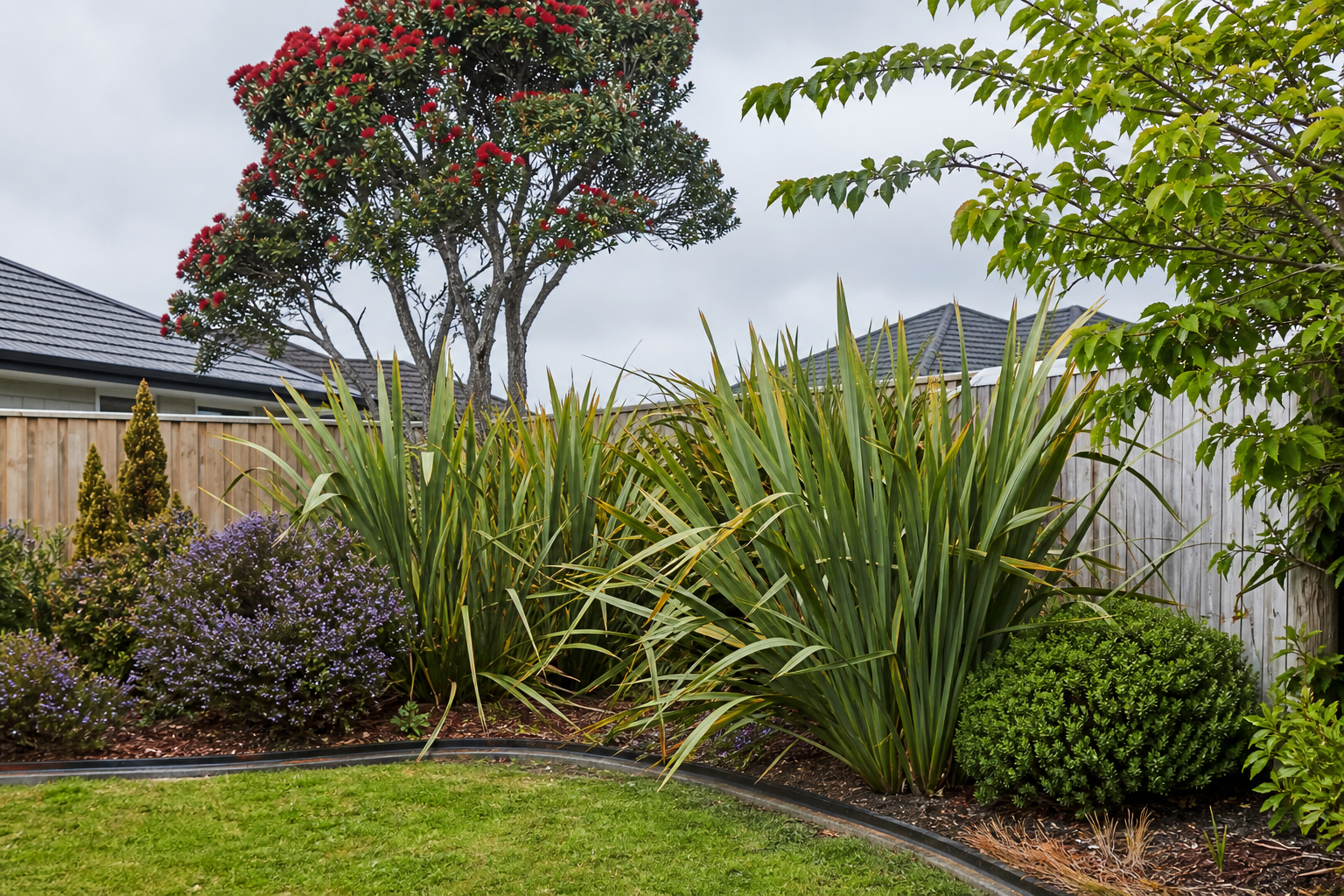
Why Natives Make Sense on a Kiwi Section
I moved to a 1960s brick house in Auckland with a lawn that turned to mud every winter and baked hard every February. Swapping exotics for New Zealand natives did not just cut my water bill — it stopped the constant cycle of replacing dead plants after a windy week or a dry spell.
Native gardens are not "bush blocks" only. With the right picks, a suburban section in Wellington, Christchurch, or Hamilton can look tidy, colourful, and alive with birds — without pretending you live in a national park.
Climate Varies More Than People Expect
New Zealand stretches from subtropical Northland to cold inland Otago. Your garden plan depends on where you are:
- North Island warm zones (Auckland, Bay of Plenty) — Faster growth, watch humidity-related fungal issues on some plants
- Wellington & exposed coasts — Wind is the main enemy; stake young trees and choose wind-hardy species
- Canterbury & inland South Island — Hot dry summers, frosty winters; mulch heavily and pick frost-tolerant natives
- Otago & Southland — Shorter growing season; avoid northern species that hate cold
Check your local council or DOC regional planting guides — they list species that belong in your ecological district.
Reliable Natives for Suburban Gardens
These perform well in many home gardens when matched to sun and drainage:
- Harakeke (New Zealand flax) — Structural, tough, many cultivars from dwarf to tall; great along fences
- Hebe — Compact flowering shrubs; good for borders and bees
- Coprosma — Colourful foliage cultivars; handles clipping for a neat hedge
- Pittosporum — Fast hedge material; trim regularly or it gets leggy
- Kōwhai — Spring gold flowers; tui magnet — worth the slow start
- Griselinia littoralis — Classic wind-resistant hedge along many NZ driveways for good reason
Avoid harvesting wild plants from reserves. Buy from reputable nurseries that sell eco-sourced stock where possible.
Soil: Most Sections Are Clay or Sand
Auckland clay holds water and cracks when dry. Christchurch soils can be stony and free-draining. Neither suits "one bag of potting mix and hope."
Dig compost into planting holes. On heavy clay, raise beds slightly so roots are not sitting in winter puddles. On sand, compost increases water retention.
Do not plant into raw subsoil left by builders after new housing — it is often compacted and lifeless. A season of cover crops or repeated compost top-dressing pays off.
Wind and Frost Protection
Young natives still need help:
- Plant windbreak shrubs before delicate species on exposed sites
- Use temporary wind cloth for the first winter on coastal sections
- Frost cloth overnight protects tender northern species in South Island gardens
- Mulch around roots — but keep mulch away from trunks to prevent rot
Lawn vs. Planting Beds
Kiwi sections often shrink as kids grow and lawn maintenance gets old. You do not need to remove all grass overnight.
- Shrink lawn gradually — border beds outward each season
- Use native ground covers like Pratia angulata or Muehlenbeckia axillaris where foot traffic is light
- Paths of gravel or stepping stones reduce muddy shortcuts through garden beds
Pests Without Panic
Slugs, aphids, and scale appear. Healthy established natives resist better than stressed exotics.
- Hand-pick slugs on small plantings
- Encourage birds — they do real pest control if you skip broad sprays
- Avoid importing plants from other regions without checking biosecurity rules — NZ takes this seriously for good reason
Start With One Border This Season
Pick a visible strip — front fence, driveway edge, patio corner. Plant five species suited to your sun and soil. Mulch. Water through the first dry month. Watch what birds arrive.
Native gardening in New Zealand is not about giving up beauty. It is about planting things that already know how to live here — so you spend less time fighting the weather and more time enjoying the section.