Spring Vegetable Garden Planning by USDA Zone
Your frost date—not the calendar—should drive what goes in the ground. Here’s how to plan a spring vegetable garden that actually works for your USDA zone.
Your Zone Matters More Than the Date on the Calendar
If you've ever planted tomatoes in early April because a neighbor did—and watched them shrivel in a late frost—you already know the lesson. The US runs from USDA Hardiness Zones 3 through 11, and what thrives in a Florida backyard can be a disaster in Minnesota.
Zone-specific planning isn't gardening elitism. It's the difference between a harvest and a compost pile. Start with your average last frost date, then work backward from there.
How to Find Your Last Frost Date
Your county extension office is the best source. They track local data, not generic national averages. Still, these ranges help if you're just getting started:
- Zones 3–5 (Upper Midwest, Northeast): Last frost usually hits mid-May to early June
- Zones 6–7 (Mid-Atlantic, Pacific Northwest): Late April through mid-May
- Zones 8–11 (South, Southwest, California): Often February through March
Write the date down. Tape it inside your shed door. Every planting decision flows from that number.
Cool-Season Crops: What Goes in First
These vegetables shrug off light frost, which makes them perfect for early spring:
- Peas and spinach — Direct sow 4–6 weeks before your last frost date. Peas hate hot weather, so don't wait too long.
- Lettuce and kale — Sow every two weeks for a steady harvest instead of one overwhelming bowl of greens.
- Broccoli and cabbage — Start indoors about six weeks before transplanting. They need a head start.
- Carrots and beets — Sow as soon as the soil is workable. Carrots especially need loose soil—clay-heavy beds produce forked roots.
In Zone 5, I usually have spinach and peas in by mid-April. Tomatoes stay on the windowsill until Memorial Day.
Warm-Season Crops: Patience Pays Off
Tomatoes, peppers, squash, and beans want warm soil and zero frost risk. Plant after your last frost date, not "around" it.
If you're buying seedlings, harden them off for 7–10 days first. Move trays outside for a few hours daily, increasing exposure each day. Skipping this step causes transplant shock—and stunted plants all summer.
Crop Rotation Without the Spreadsheet
Planting tomatoes in the same bed year after year invites soil-borne disease. A simple four-year rotation keeps things healthy:
- Year 1: Legumes (peas, beans) — they fix nitrogen in the soil
- Year 2: Brassicas (broccoli, cabbage, kale)
- Year 3: Nightshades (tomatoes, peppers, eggplant)
- Year 4: Root crops (carrots, beets, onions)
You don't need a color-coded chart. Just don't repeat the same family in the same spot two seasons in a row.
Raised Beds vs. In-Ground Planting
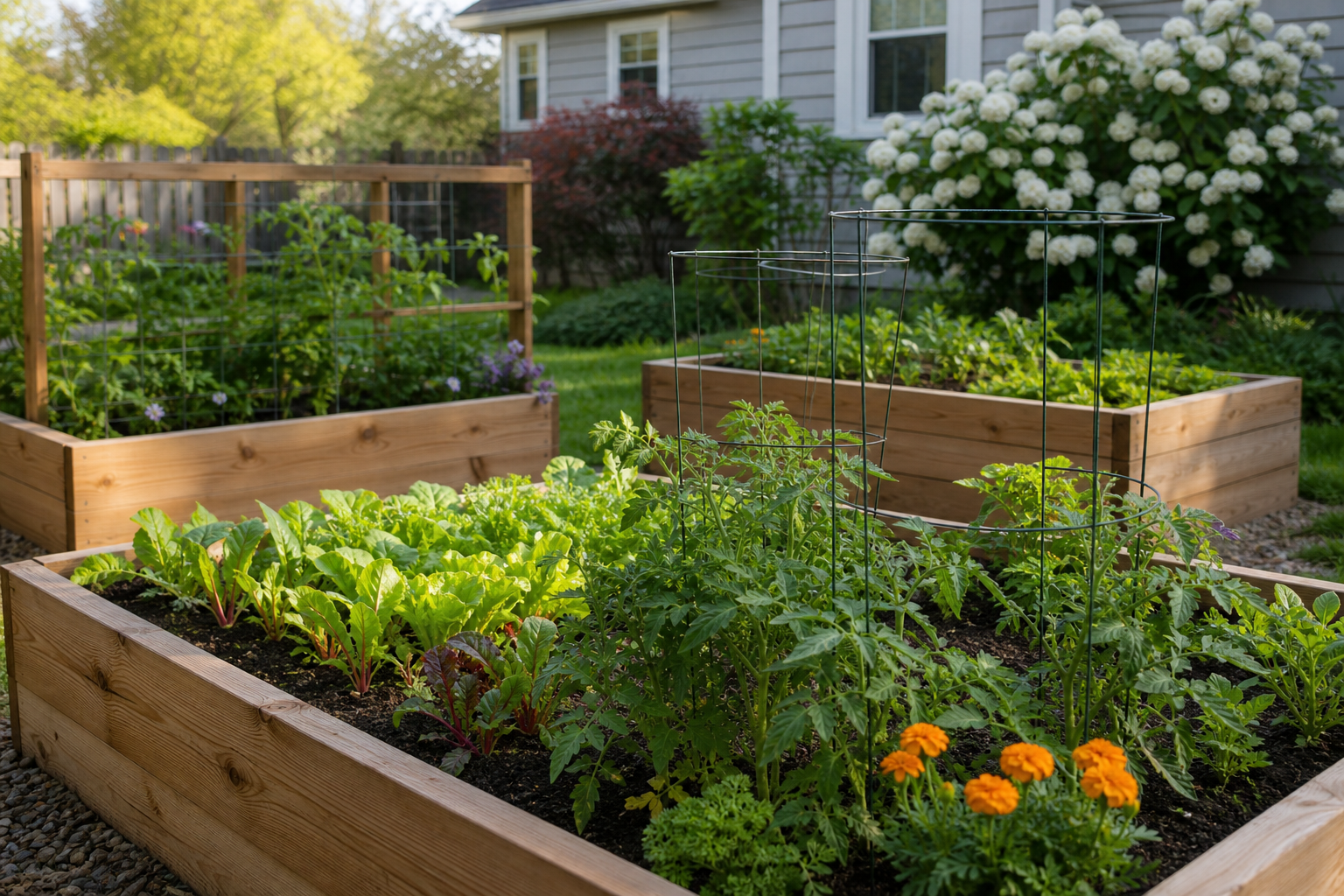
Raised beds warm up faster in spring—a real advantage in Zones 3–6 where soil stays cold well into May. A standard 4×8 foot bed at 12 inches deep handles most vegetables comfortably.
For fill, I use roughly 60% topsoil, 30% compost, and 10% perlite. That mix drains well and doesn't compact the way straight garden soil sometimes does. In-ground beds work fine in warmer zones if your soil is already decent—you're mainly buying time with raised beds, not magic.