Spring Cottage Garden Planting Guide for the UK
British weather keeps you guessing — but a cottage garden planted in the right order rewards you with colour from April through September. Here is how to plan it without wasting money at the garden centre.
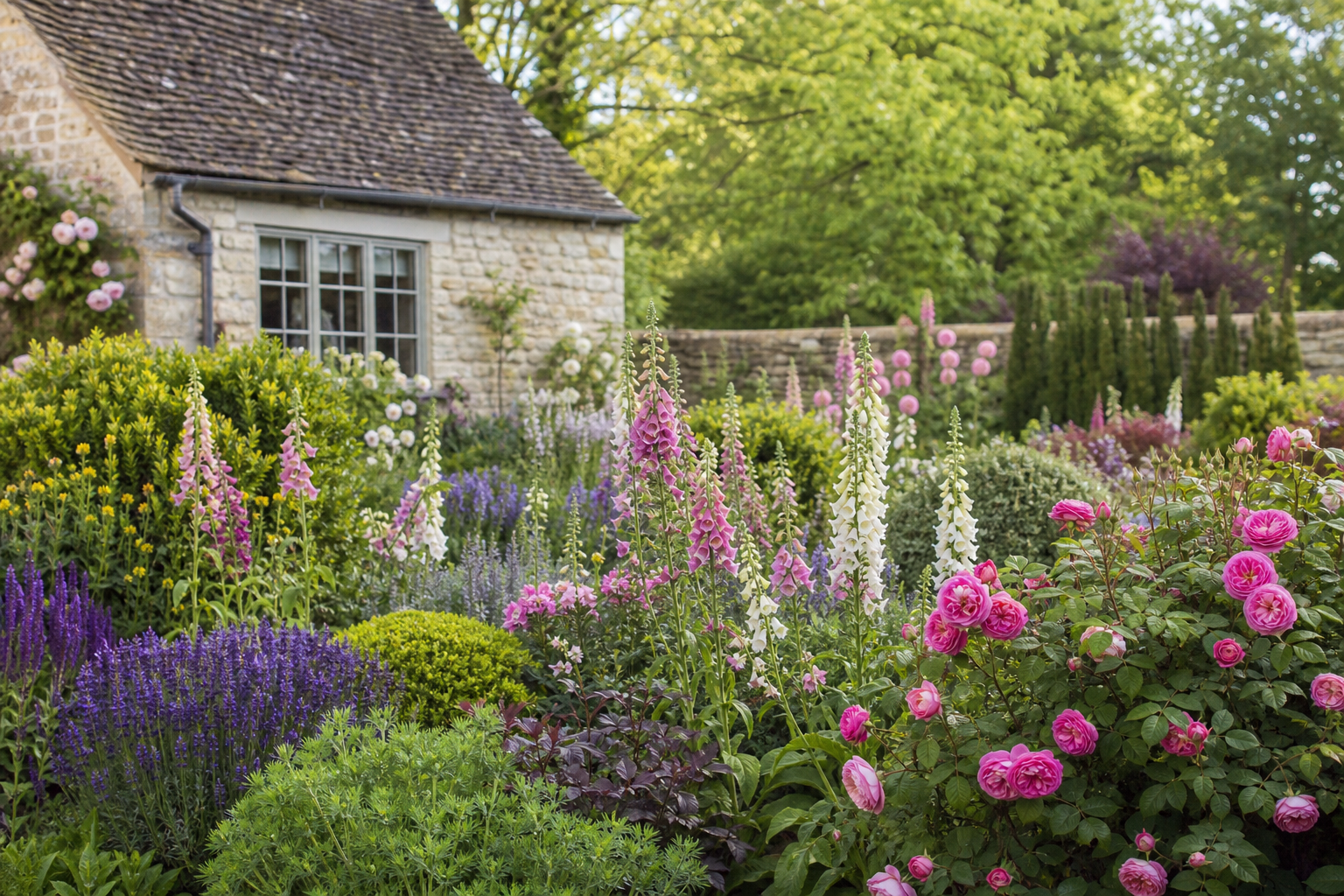
British Spring Is Not One Season — It Is Three
In Manchester, I have worn a coat in May. In Kent, the same week felt like early summer. UK gardeners learn quickly that the calendar lies. What matters is soil temperature, overnight lows, and whether the jet stream has decided to park a rain front over your county for a fortnight.
A cottage garden — loose, layered, a little unruly on purpose — suits this climate well. You are not aiming for a single dramatic reveal. You want staggered colour: bulbs first, then hardy perennials, then the tender stuff once frost risk drops.
Start With Your Hardiness Zone (Yes, the UK Has Them Too)
The RHS and the UK Plant Hardiness Zone map split Britain into roughly Zones 7–9, with colder pockets in Scotland and milder coastal strips in Cornwall and west Wales. Check your local allotment association or council gardening page — they often publish frost dates more accurately than national averages.
As a rough guide:
- Scotland & high ground — last frost often mid-May; play it safe with tender plants
- Northern England & Midlands — late April to early May
- South & sheltered west — mid-April in many gardens; still keep horticultural fleece handy
What to Plant First (March–April)
These handle cold nights and soggy soil better than Instagram suggests:
- Sweet peas — Sow directly or in root trainers. Pinch tips when they reach six inches for bushier plants.
- Hardy geraniums and aquilegia — Reliable cottage-garden backbone; they self-seed politely if you let them.
- Foxgloves — Biennial, so plant this year for next summer's spikes. Worth the wait.
- Bare-root roses — Still available early spring; soak roots overnight before planting.
- Onion sets and broad beans — If you grow edibles among ornamentals, these go in while the ground is workable.
The May Window: When Colour Arrives
Once frosts are unlikely in your area, bring in the plants that define a classic English border:
- Delphiniums and lupins — Stake early; one afternoon thunderstorm can flatten unstaked spikes.
- Dahlias (tubers) — Start in pots indoors if you are in the north; plant out late May.
- French lavender — Not hardy everywhere; *Hidcote* and *Munstead* cope better than Spanish types in colder gardens.
- Cosmos and nigella — Direct sow for filler that ties the border together by July.
Layout Without a Landscape Designer
Cottage gardens look random but follow a simple rule: tall at the back, short at the front, repeat colours.
Pick two or three main colours — say, purple, white, and soft yellow — and repeat them along the bed instead of planting one of everything. Paths of gravel or reclaimed brick keep the look intentional rather than overgrown.
Leave gaps. New gardeners fill every inch on day one. Mature borders need breathing room for self-seeders and for bulbs you will tuck in come autumn.
Soil and Drainage on Clay (Most of Us Have It)
Heavy clay is common across England and Wales. Dig in compost or well-rotted manure before planting — not fresh manure, which scorches roots. Raised mounds help delphiniums and lavender, which hate wet feet over winter.
If your garden stays waterlogged after rain, fix drainage before buying expensive perennials. No plant breed solves a puddle problem.
A Note on Water Restrictions
Southern counties occasionally introduce hosepipe bans in dry summers. Mulch with composted bark in late spring. A water butt fed from a shed roof saves money and keeps chlorine-sensitive plants happier than mains water alone.
This Year, This Month
If it is early March, order seeds and clean your greenhouse or cold frame. Mid-April, harden off anything you started indoors. Late May, sit down with a cup of tea and decide what worked — cottage gardening is a long conversation with your plot, not a single weekend project.